How Solid Surface Achieves Curves And Complex Shapes
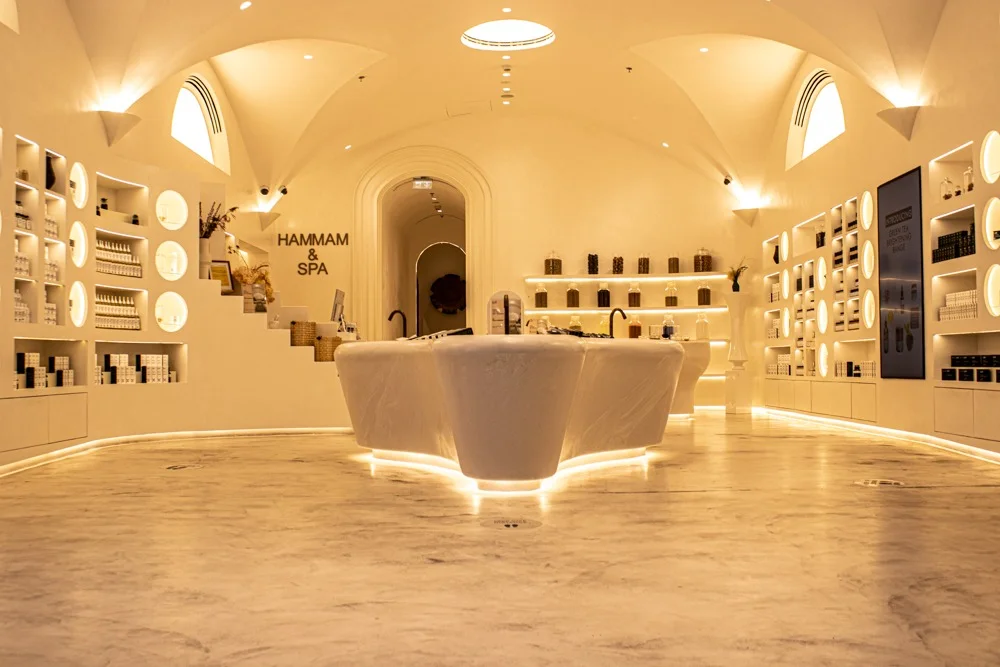
Solid surface materials can be heated, shaped, joined, and finished in ways that let designers move beyond rigid lines and create forms that are difficult to achieve with many traditional materials. The fabrication process, however, requires immense control at every stage.
Let’s look at the techniques that allow solid surface to take on curves, contours, and complex shapes while maintaining a clean, refined finish.
Heat makes bending possible
Solid surface sheets respond well to controlled heat during fabrication. Skilled fabricators warm sections until the material reaches a workable state, then guide each sheet around a prepared form. As it cools, the sheet keeps the curve. This process suits rounded counters, curved islands, wave inspired panels, and angled furniture pieces.
Moulds guide complex profiles
Custom moulds give fabricators a shape during forming. A mould may follow an arc, tight radius, or unusual contour based on the project drawing. The heated sheet settles against this form while technicians check alignment and dimensions. This method supports repeated curves across matching components, helping the installation look balanced and precise.
Seamless joints support flowing designs
Solid surface fabrication supports complex designs through discreet seams. Technicians cut sections, join matching pieces with adhesive, then sand each joint until it blends with the material. This approach allows curved counters and sculptural features to appear visually continuous. Integrated sinks, raised edges, rounded corners, and flowing backsplashes can share a unified appearance.
Design freedom across interiors
Curves introduce softer visual movement into spaces that use solid surfaces. A rounded reception desk can guide visitors, while a curved kitchen island can improve circulation around work zones. Bathroom vanities can use gentle arcs to soften rooms, and furniture makers can develop unusual silhouettes using the same material. Designers gain creative freedom alongside practical performance.
Precision keeps curves consistent
Complex fabrication demands accurate measurements, templates, and experienced workmanship. Small errors can affect radius, alignment, or joint placement, especially when several curved sections meet. Fabricators measure each component, test forms before final assembly, and inspect edges after shaping. This disciplined process helps maintain consistent dimensions while giving each custom piece its intended character.
Solid surface achieves curves through heat, moulding, accurate cutting, and expert finishing. The material gives designers a palette of forms, while fabrication skill turns those ideas into usable surfaces. Rounded counters, sculptural panels, curved vanities, and custom furniture benefit when technicians match forming techniques with the design’s geometry and demands.