Inspection And Testing Protocols Essential For All API Tanks
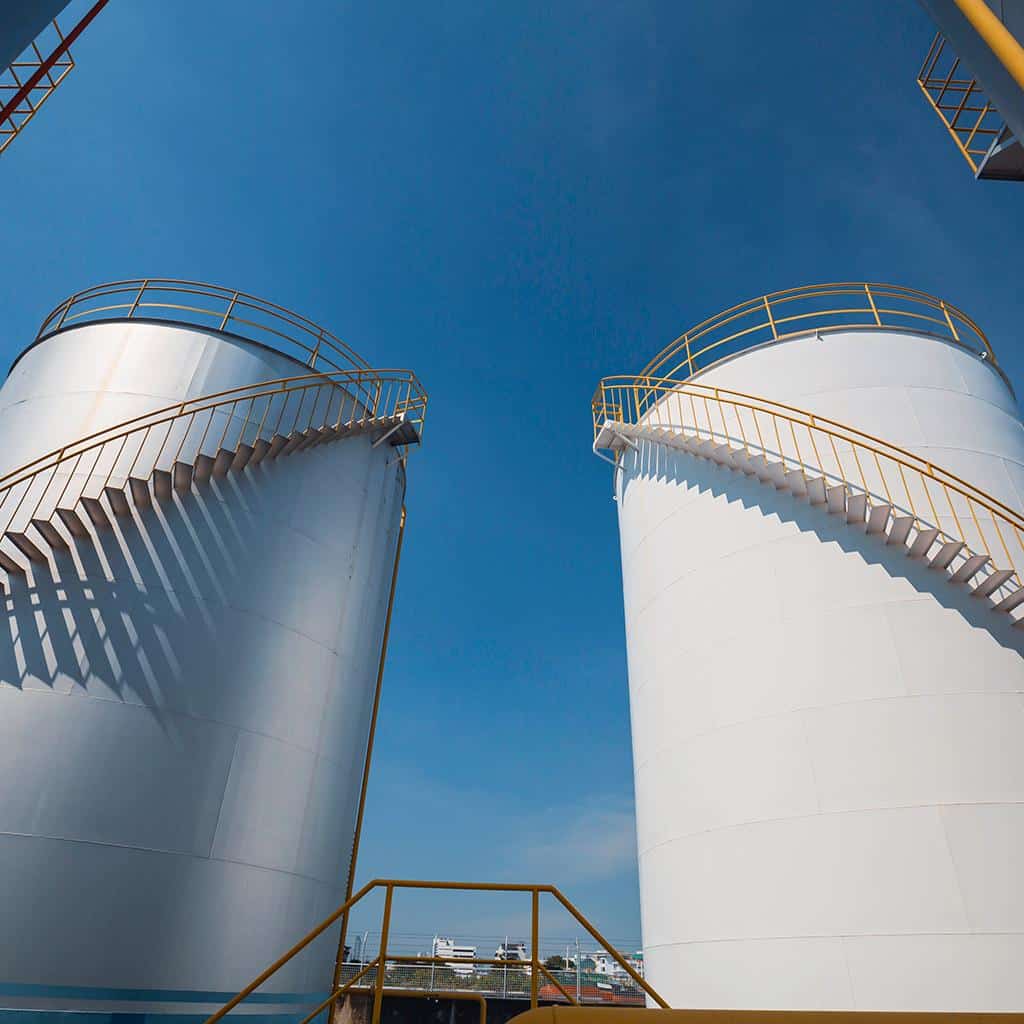
Storage tanks hold products that can cause real harm if something goes wrong, from fuel spills to toxic leaks. Regular inspections catch small issues before they grow into expensive failures. Testing protocols confirm structural integrity and operational safety year after year. Facilities everywhere depend on these standards to keep their API tanks running safely.
Regular visual inspections:
The first step in any inspection program is a detailed visual check. Inspectors examine the tank’s exterior for signs of corrosion, dents, cracks, coating damage, and leaks. Internal inspections are also important because hidden damage can develop over time. Routine visual inspections allow maintenance teams to spot small issues before they become expensive repairs. Early action also helps reduce downtime and supports safer daily operations.
Thickness testing:
Steel tanks naturally experience wear after years of service. Thickness testing measures the remaining wall thickness using ultrasonic equipment without causing damage to the structure. These readings help engineers determine if the tank continues to meet operational requirements. By comparing current measurements with previous inspection records, they can identify wear patterns and schedule repairs before serious problems develop.
Weld inspection and evaluation:
Strong welds are essential for tank reliability. Every welded joint should be inspected carefully for cracks, defects, or signs of stress. Inspection methods may include visual examination, magnetic particle testing, or ultrasonic testing, depending on the application. Reliable welds reduce the chance of leaks and help maintain structural strength during daily operation.
Leak testing procedures:
Leak testing confirms that the tank safely contains its stored product. Even a very small leak can create environmental concerns and financial losses. Pressure testing, vacuum testing, or other approved methods may be used based on the tank design. A successful leak test gives operators confidence that the system remains secure before returning it to service.
Foundation and support checks:
A strong tank also depends on a stable foundation. Inspectors examine the base for settlement, shifting, erosion, or standing water that could affect structural stability. Support structures, anchor bolts, and surrounding areas should also be checked regularly. Stable foundations reduce unnecessary stress on the tank and help prevent long term structural damage.