The Environmental Impact Of Metal Fabrication And How It Is Improving
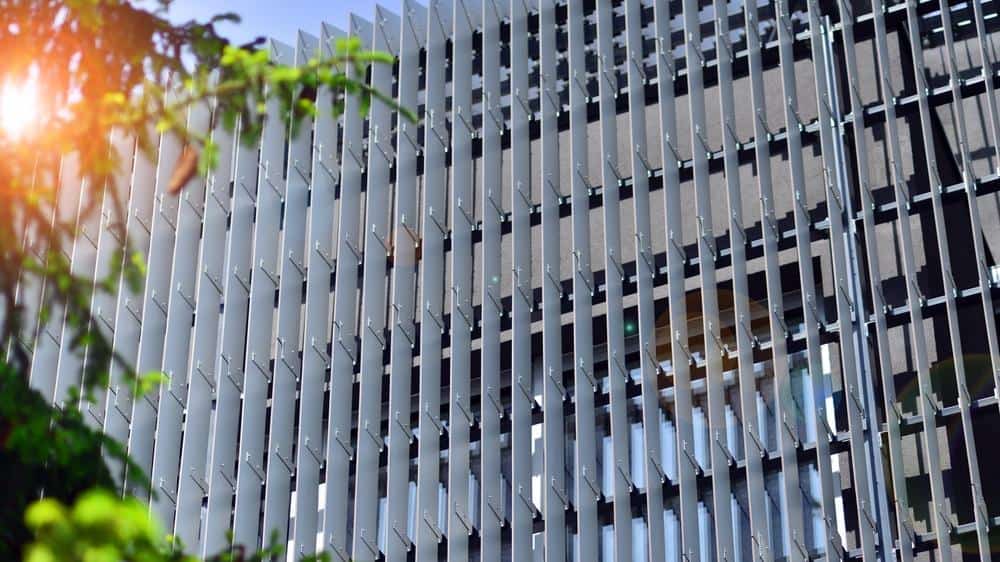
Industries around the world are looking for better ways to reduce waste, save resources, and lower environmental harm. Metalwork has changed significantly as companies adopt cleaner methods and modern equipment. These updates are helping factories reduce their impact while maintaining strong production. The shift in industrial practices shows how metal fabrication near me can support responsible manufacturing, with metal fabrication placed at the center of efforts to protect natural resources.
Reducing waste during production:
Traditional metal processes could produce large amounts of scrap material and consume high levels of energy. Today, many workshops use advanced cutting systems and accurate measurements to limit leftover pieces. Reusing scrap metal has also become a common practice, allowing valuable materials to return to production instead of ending up as waste. Better material control helps companies save resources and reduce disposal problems. Recycling programs within factories also support cleaner operations and reduce the demand for new raw materials.
Energy use and cleaner methods:
Energy consumption is a major concern in industrial work. Modern machines are designed to use less power while delivering strong performance. Improved equipment helps reduce emissions and supports a healthier environment. Many companies are also choosing renewable energy sources and upgrading their facilities with efficient systems. These changes help lower the environmental pressure linked with manufacturing activities.
Responsible material choices:
The selection of materials strongly affects environmental outcomes. Recycled metals are becoming a preferred option for many projects because they require fewer natural resources during processing. Durable materials also reduce the need for frequent replacements, which helps lower waste over time. Suppliers and manufacturers are paying closer attention to the source of their materials. Responsible sourcing practices encourage better resource management and support cleaner supply chains.
Technology shaping greener operations:
Digital tools and automated machines are changing how metal work is completed. Computer controlled systems improve accuracy and reduce errors, which means fewer materials are wasted. These tools allow workers to achieve better results while using resources in a smarter way. New technologies are also helping companies track energy use and production levels. This information allows teams to identify areas where improvements can be made.
A cleaner future for metal industries:
The metal sector is moving toward methods that support environmental care and efficient production. Companies are adopting recycling, improved machinery, and responsible material use to reduce their effect on nature. Therefore, metal fabrication is gaining more popularity in the world.